Brief
Royal Mail is undergoing one of its largest restructures in decades, removing over thousands management roles and asking remaining managers to work in fundamentally different ways. Operational managers will now need to self-serve, adopt new systems, prioritise more effectively and delegate more often, while functional managers must shift from transactional service providers to strategic partners. Amid exhaustion, fear and scepticism intensified by the pandemic and past interventions that over-promised and under-delivered, Royal Mail needs a campaign that acknowledges managers’ emotional reality while motivating them to embrace behavioural coaching. The objective is to show ambivalent managers that adopting new behaviours will ultimately make their working lives easier, more efficient and more autonomous.
Insight
The core behavioural insight is the tension between managers’ desire for Freedom (time, control, autonomy) and the overwhelming sense of Responsibility (overwork, pressure, lack of control) that currently dominates their day to day reality. Many feel they are being asked to do more with less, that past promises of change have not materialised and that new programmes risk being “more HR noise.” Yet beneath the cynicism is a strong motivation: they want to be good managers, feel recognised and see the business succeed. By resolving the tension between heavy responsibility and the promise of regained freedom, we can unlock willingness to engage.
Concept
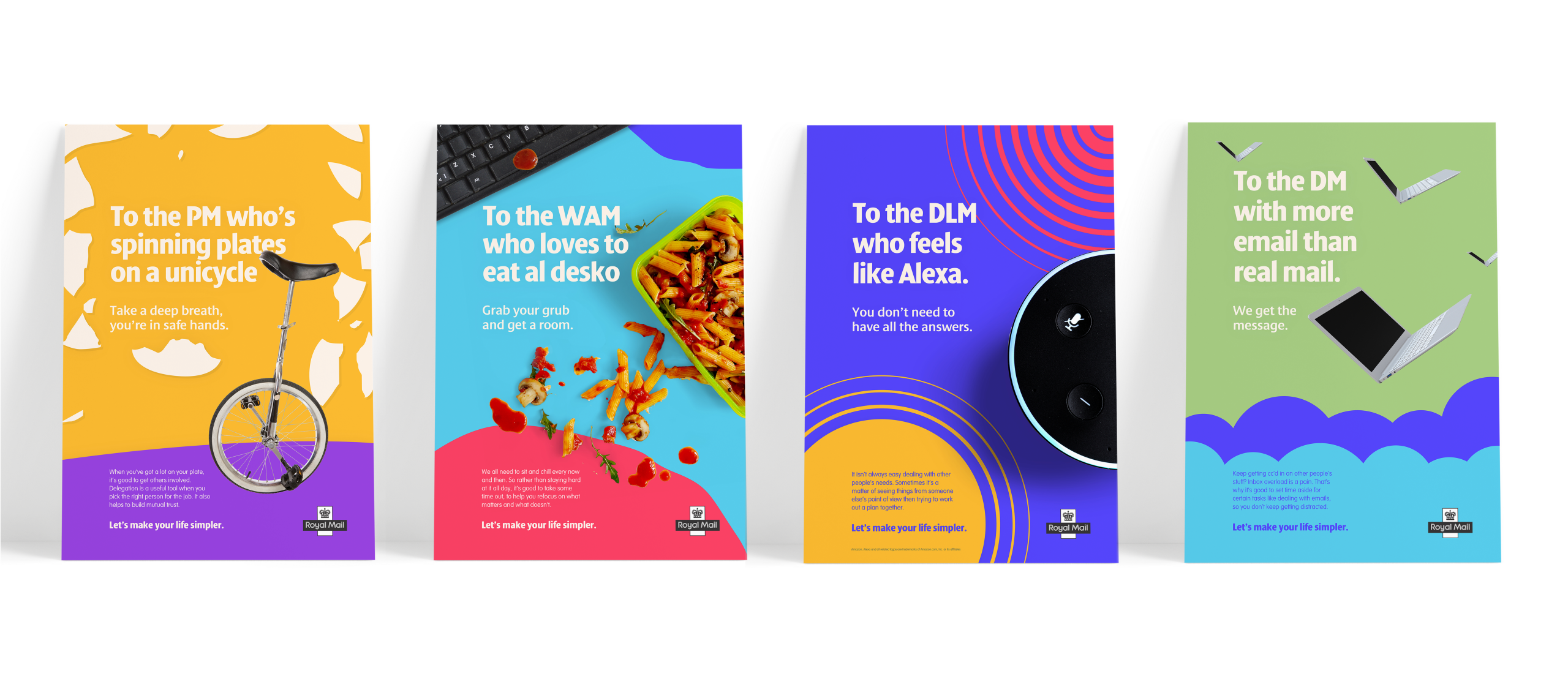
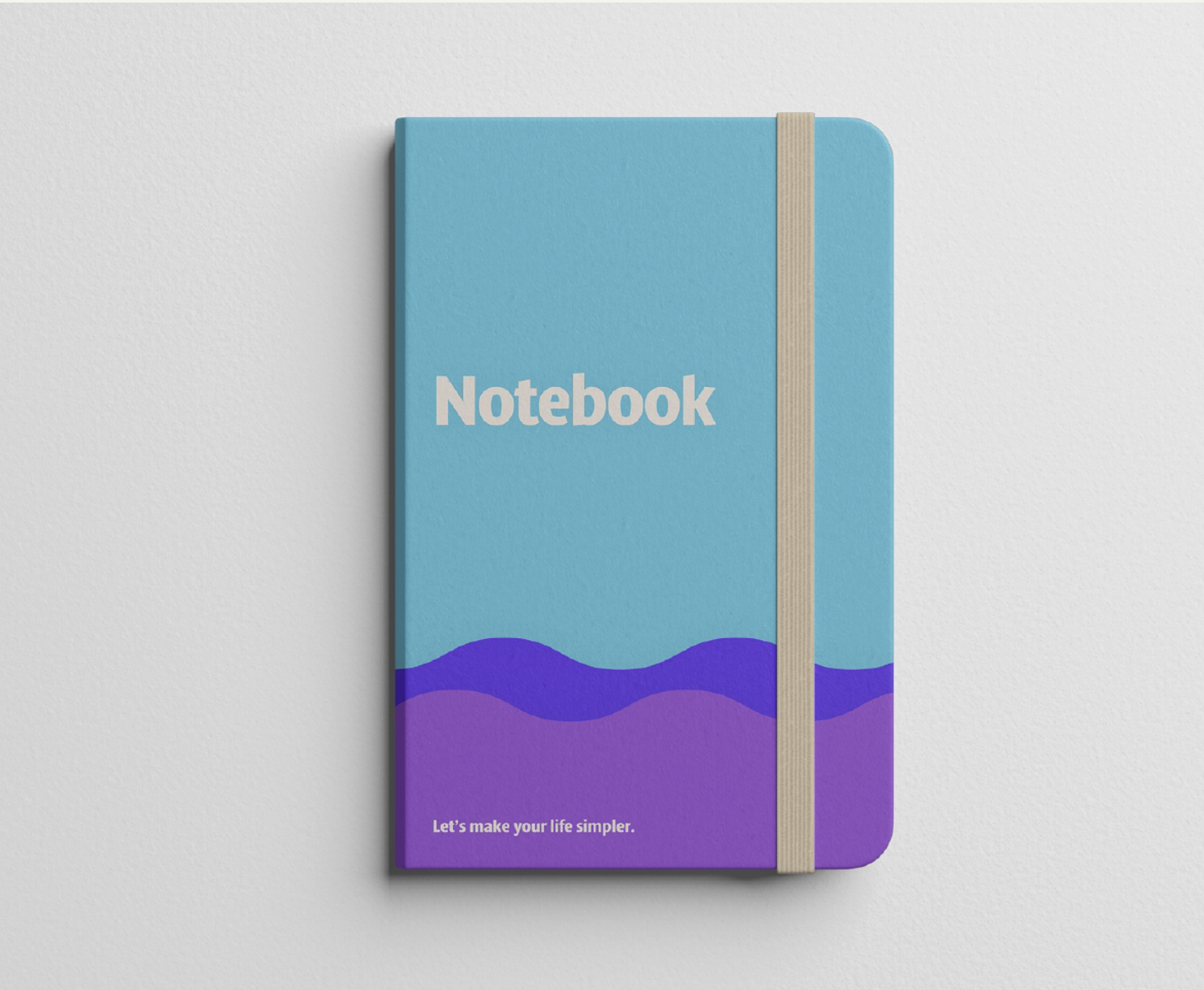
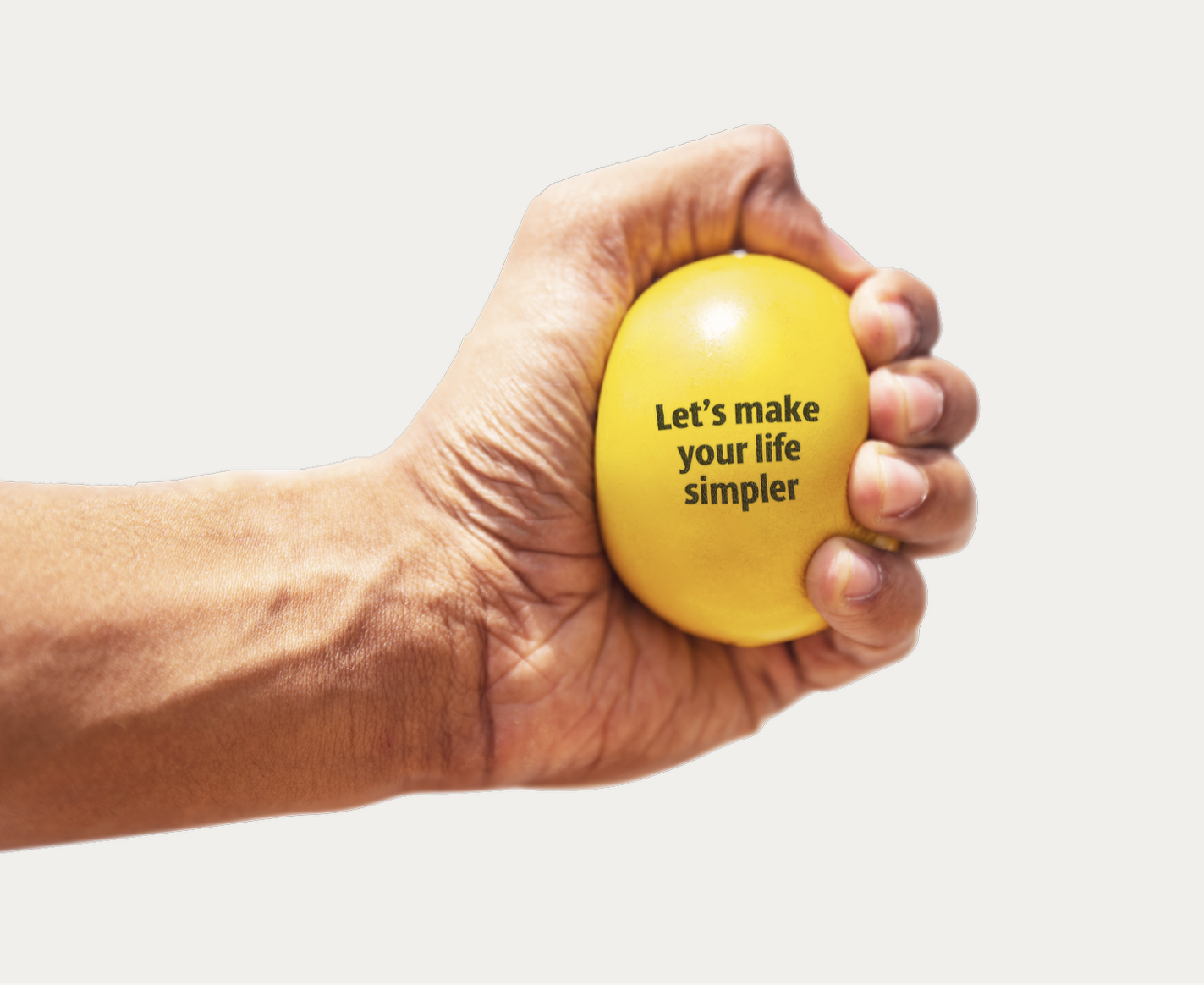
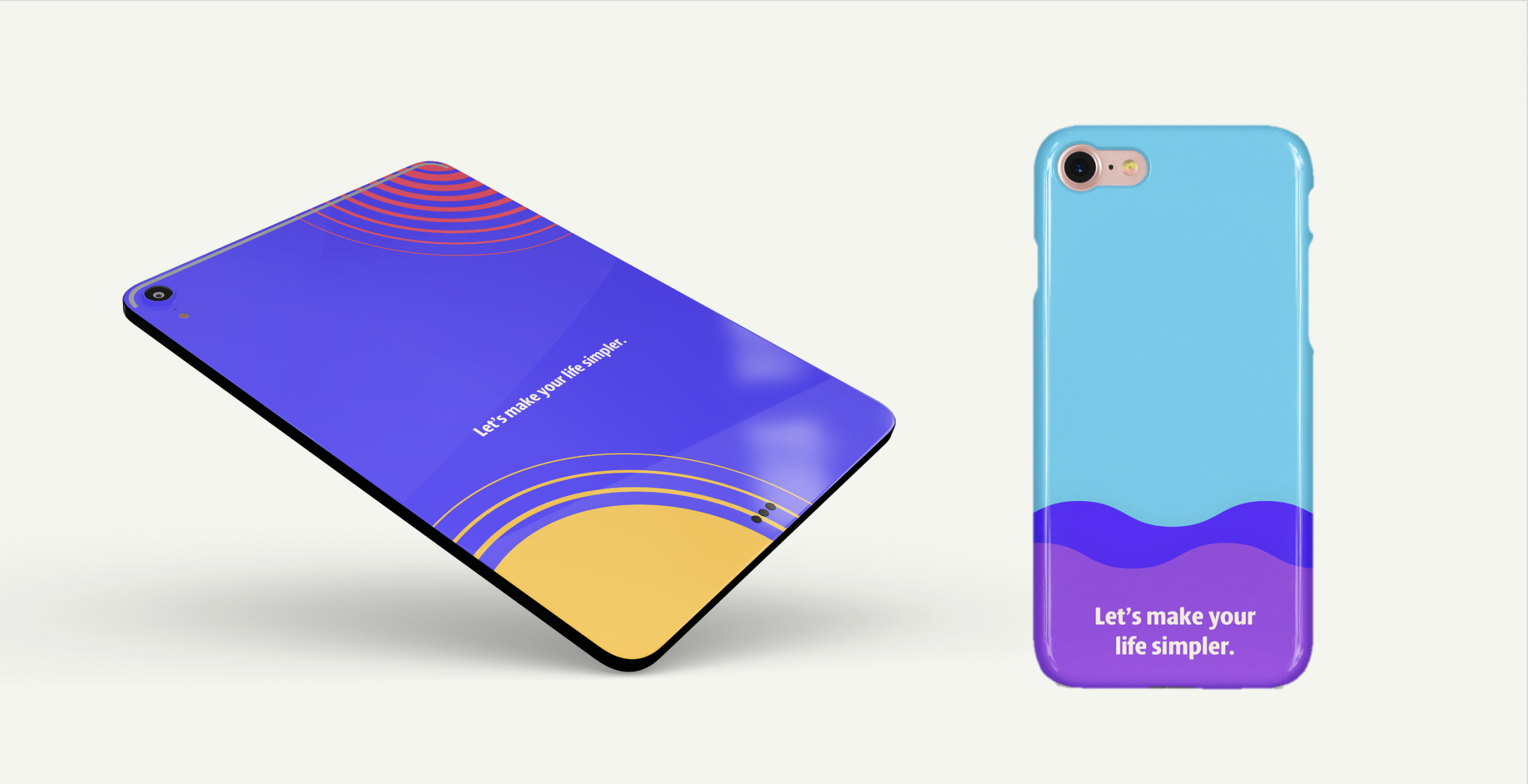
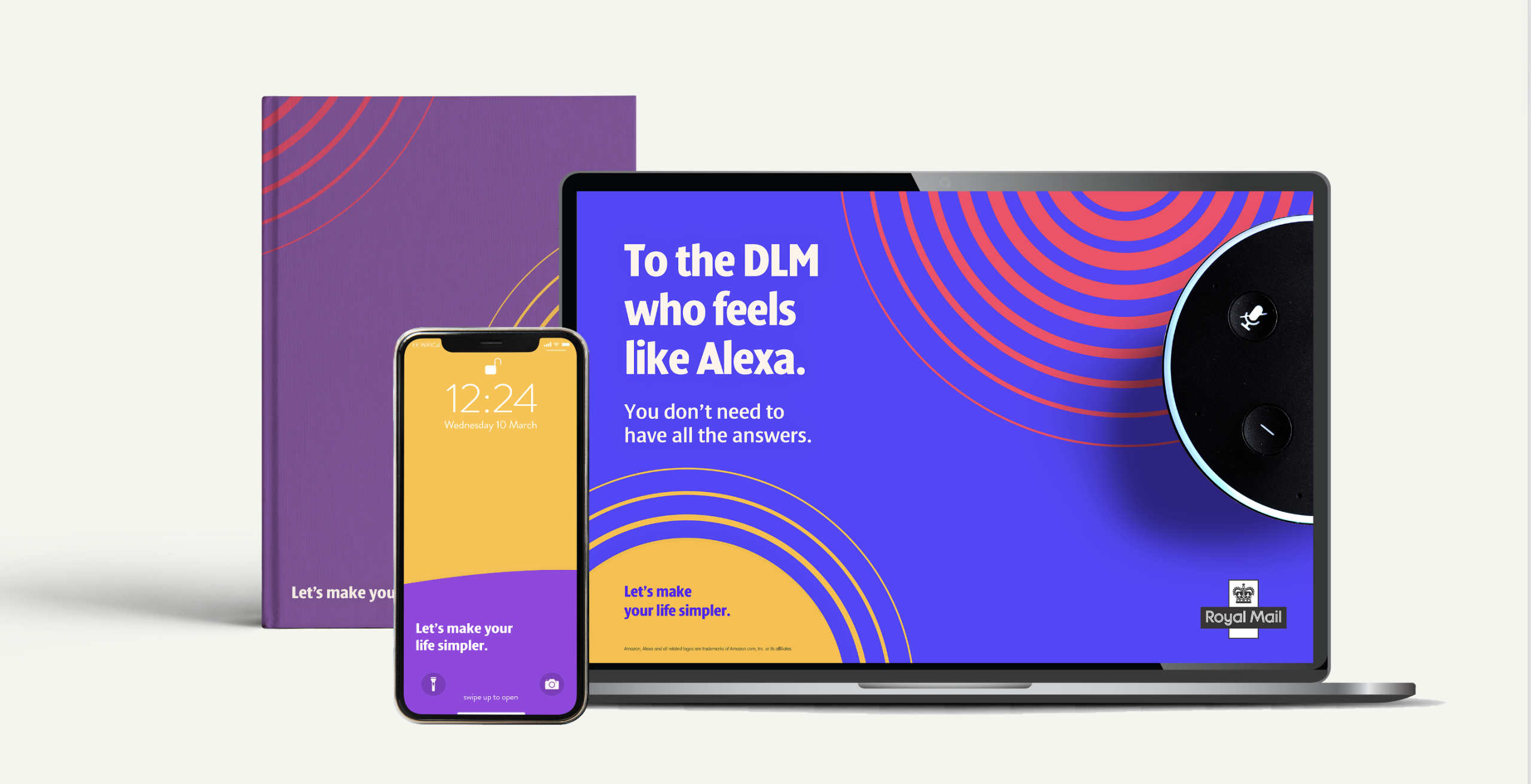
The creative concept of ‘Let’s make your life simpler’ is direct, human and grounded, speaking to managers in real, peer to peer language that acknowledges their effort and frustration while showing the tangible personal benefit of change. At its heart, the message is about shifting the way managers work by using behaviours like prioritising, delegating and influencing to create more space, clarity and control. Rather than corporate promises, the tone should feel like trusted colleagues sharing what has actually helped make their working lives easier. The emotional payoff is autonomy, empowerment and the sense of being genuinely invested in.
Solutions
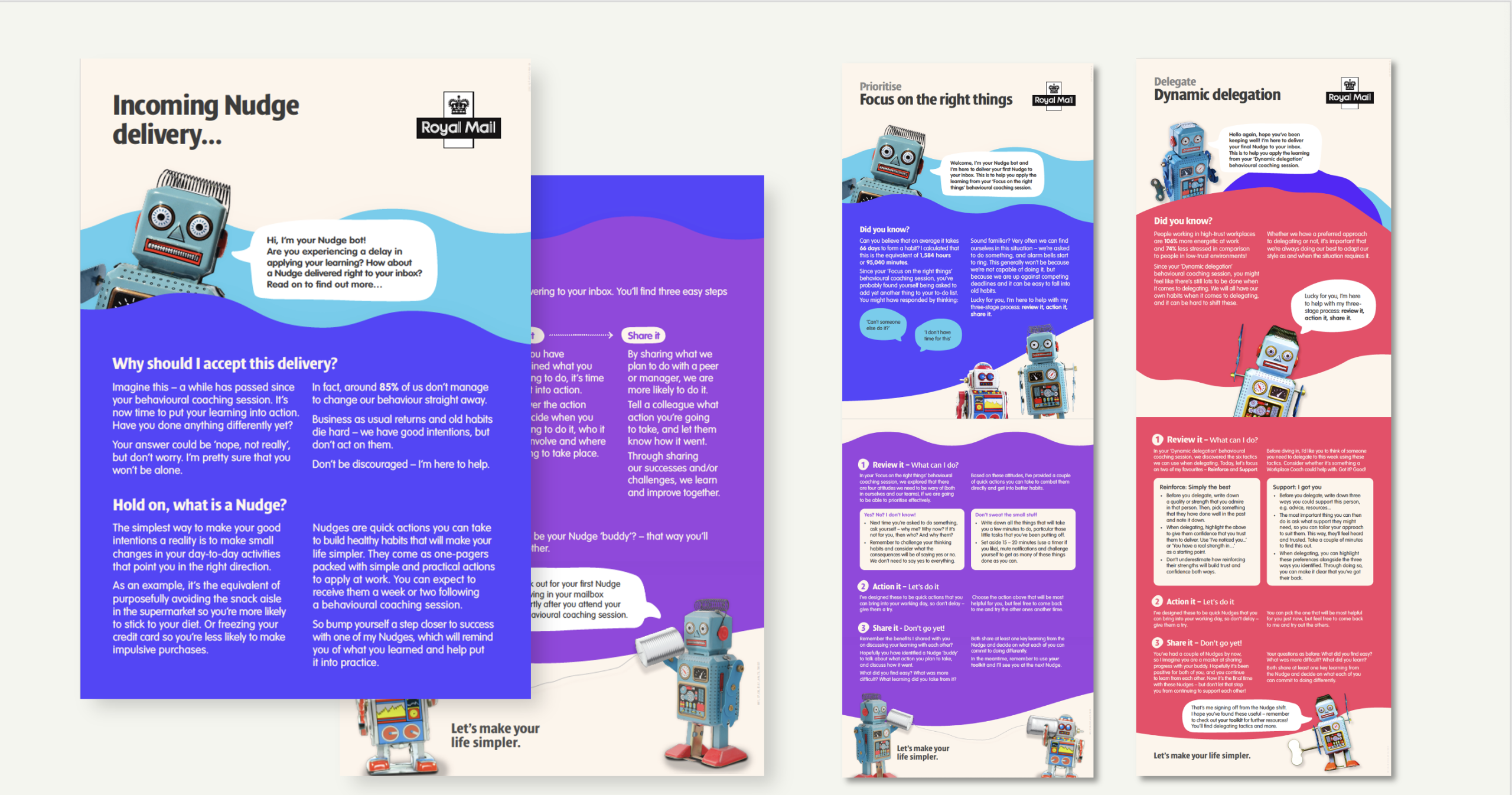
The campaign should provide simple, practical pathways that help managers experience quick wins by demonstrating how small behavioural shifts can reduce burden rather than add to it. It should reflect their challenges, validate their experience, and then offer clear, relatable examples of how adopting these behaviours gives time back, eases pressure and empowers their teams. Using real voices and straightforward language, the campaign should show that this initiative is different: honest, supportive and designed to make their lives easier. The outcome is a manager base that feels acknowledged, equipped and confident enough to ‘give it a go’.